





Design and Ergonomic Office Chairs: The Complete Diiiz Guide
The office chair holds a strange place in modern furniture: it's arguably the single most-used piece in any home or workplace, the one you sit in longer than almost anything else you own. Choosing a design office chair is never just a question of looks — materials, adjustability, mobility and posture all come into play, and each of them is worth understanding before you buy.
Diiiz offers a wide range of comfortable office chairs, suited to a home office setup as much as to fitting out an entire company or coworking space. Leather, fabric, plastic, natural wicker or wood: each material tells a different story about how a chair is meant to be used and the kind of interior it belongs in. Some chairs are built for mobility, with wheels and a swivel base; others focus on wraparound armrests that take pressure off the shoulders; others still offer height-adjustable seating that adapts precisely to different body types. And then there are the more decorative models, inspired by the great design icons of the twentieth century, where visual character matters more than technical adjustment.
That same range of profiles runs through Diiiz's broader collection of modern and iconic chairs, which brings together design classics reworked as office, dining and lounge seating.
Why Ergonomics Should Never Be an Afterthought
Poor sitting posture, repeated for hours a day, is one of the leading causes of back pain, neck strain and musculoskeletal issues linked to office work. A poorly suited chair forces the body to compensate constantly — a rounded back, hunched shoulders, crossed legs. A chair built with ergonomics in mind, by contrast, supports good posture naturally, without any conscious effort.
Three technical elements drive that ergonomic performance. First, adjustable seat height, which lets you plant your feet flat on the floor and keep your knees at a right angle, whatever the height of your desk. Second, the backrest, which should support the natural curve of the lower back without restricting it. Third, armrests, where fitted, which should sit at elbow height when your forearms rest on the desk, so your shoulders and neck stay relaxed rather than tense.
That said, ergonomics isn't the only lens worth applying. A chair used occasionally, in a reading corner or for an infrequent workstation, doesn't need the same level of adjustability as a desk chair occupied eight hours a day. That's exactly why the Diiiz office chair range deliberately spans very different profiles, from the most technical model to the most decorative one.
Office Chair Materials: What They Actually Change
Leather. A leather office chair instantly signals an executive workspace, but its qualities go well beyond appearance. Leather holds up to daily wear, wipes clean with a simple cloth, and develops a patina over time rather than sagging or losing shape. Paired with an aluminium base and a swivel mechanism, it typically features on the most fully adjustable models, designed for sustained, intensive use — often with seat height adjustable across several centimetres.
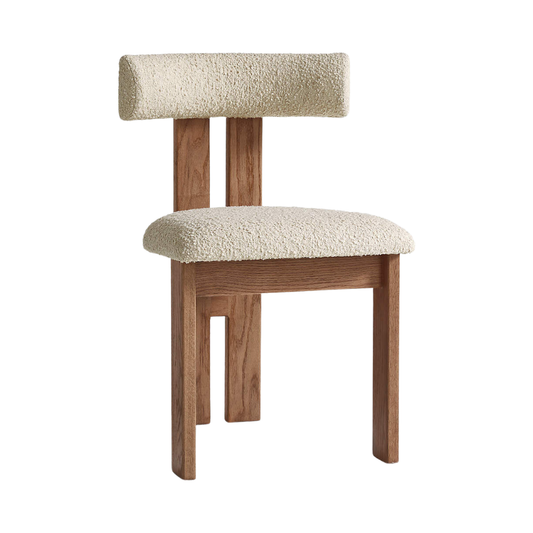
Fabric. A fabric office chair favours breathability and a warmer feel against the skin, which matters over long stretches at a desk. Fabric also blends more naturally into an existing interior, particularly in a home office where the chair needs to sit alongside the rest of the furniture rather than fight with it. A rounded polypropylene shell, paired with a good-quality fabric cover, softens what would otherwise be a fairly technical, industrial look.
Plastic. Light, durable and available in a range of colours, plastic remains the material of choice for Scandinavian-style office chairs. It allows for clean, pared-back lines and a generally lighter overall structure, which makes moving around easier once the chair is fitted with wheels. It's also usually the most accessible material price-wise, without giving up sturdiness, thanks to aluminium frames underneath.
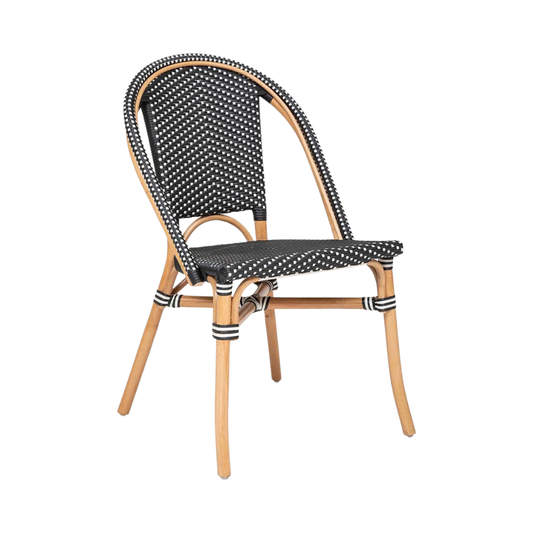
Wicker and wood. At the opposite end from technical materials, natural wicker woven over a walnut wood frame belongs to a much older furniture-making tradition, tied to some of the defining figures of mid-century design. A chair like this trades adjustability for character and authenticity: no wheels, no height adjustment, but a strong visual presence and recognisable craftsmanship, often chosen for a home office that's meant to double as a genuine piece of the room's decor.
Wheels, Armrests, Swivel Base: What Suits Your Setup
Wheels make the most sense in settings where you move between several spots within the same space — shared offices, meeting rooms, open-plan floors. In a fixed, more decorative or occasional desk setup, they matter less, and can even undercut the visual stability of a more classic model.
Armrests add real comfort during long sessions, easing pressure on the shoulders and neck, but they can also get in the way under a low desk, or stop you from pulling the chair all the way in depending on your existing furniture. The right choice depends as much on body size as on the height and depth of the desk you're using.
A swivel base, paired with height adjustment, is generally reserved for the most work-intensive models. It lets you fine-tune your position and turn effortlessly between tasks — a genuinely important feature for anyone spending most of the day seated.
Style: Fitting an Office Chair Into a Room
An office chair is never chosen in isolation from the rest of the room. In a Scandinavian-style interior, clean and light-filled, the crisp lines of a plastic or lightweight fibre shell — often set on a slim tubular frame — extend that minimalist feel naturally. In a more contemporary, professional office, a leather seat on an aluminium base reads immediately as more corporate, well suited to an executive office or a space that receives clients. In a bolder, more vintage-leaning interior, a chair with wicker woven over a walnut frame, drawing on twentieth-century design icons, becomes a decorative statement in its own right, almost independent of its original function.
Some models split the difference, with a rounded shell and a fabric cover that deliberately soften an otherwise technical setup, for an office that wants to feel both functional and welcoming.
Office Chairs for Businesses
Diiiz also supports businesses fitting out entire offices or coworking spaces. Beyond choosing the right model, the team offers tailored advice based on the layout of the space, competitive pricing on bulk orders, and direct factory access that keeps quality high and prices sharp — backed by a two-year warranty across every office chair sold online. Any business enquiry can be sent to the Diiiz team at info@diiiz.com.
Comparing the Main Office Chair Families
To make the differences in materials and adjustability described above more concrete, here's a comparison of the main office chair families found in the Diiiz range, matched against the use cases covered in this guide.
| Main material | Style | Wheels | Armrests | Height-adjustable | Indicative price range | Best suited for |
|---|---|---|---|---|---|---|
| Fabric and polypropylene, rounded shell | Contemporary, warm | No | No | No | Around €180 | Home office, reception area |
| Plastic and fibre, tubular frame | Scandinavian | Yes | No | No | Around €190 | Coworking, meeting rooms |
| Plastic and aluminium, compact frame | Minimalist Scandinavian | Yes (4 castors) | No | No | Around €160 | Small spaces, occasional use |
| Natural wicker and walnut wood | Vintage, design icon | No | Yes | No | Around €260 | Design-led office, statement interior |
| Leather and aluminium | Premium contemporary | Yes | Yes | Yes (46-51 cm) | Around €260 | Intensive use, executive office |
Prices shown are indicative and may vary with current promotions on diiiz.com. These chair families, along with additional models, are part of the full office chair selection above, itself drawn from Diiiz's broader collection of modern and iconic chairs.
Caring for an Office Chair — and Making It Last
How long an office chair lasts depends heavily on its material and how it's looked after. Leather cleans easily with a slightly damp cloth and does best out of direct, prolonged sunlight, which can fade its colour over time. Fabric generally holds up to regular vacuuming and the occasional spot clean, though it's more prone to deep staining than leather. Plastic and aluminium frames need very little upkeep — a simple wipe-down keeps them looking as good as new. Natural wicker is more delicate, and does best in a space that's neither too dry nor too humid, to keep the woven fibres supple over time. Whatever the material, Diiiz's two-year warranty covers manufacturing defects across the entire range.
Office Chair FAQ
What's the best office chair for working from home?
For daily use of several hours at a stretch, an ergonomic chair with adjustable height and a swivel base is the best fit. It lets you dial in the seat position to your body and cuts down on back strain over the course of a working day.
Should I get an office chair with or without armrests?
Armrests take pressure off your shoulders and arms during long stretches at your desk, but they can get in the way if your desk is low or shallow. A chair without armrests gives you more freedom of movement and slides more easily under an existing desk.
Leather or fabric office chair — what's the real difference?
Leather is more durable, easy to wipe clean, and gives a more corporate look, which is why it's a common choice for executive offices. Fabric is more breathable and feels warmer, and tends to blend more naturally into a home office that's already furnished.
Do I really need an office chair with wheels?
Wheels are most useful in shared offices, meeting rooms, or anywhere you need to move frequently between workstations. For a fixed setup with a more decorative role, a chair without wheels works just as well — and often looks better doing it.
How do I set the right height on an office chair?
The right height has your feet flat on the floor, knees at a right angle, and forearms level with the desk when they're resting on it. On adjustable models, this is usually set with a lever under the seat — test it while sitting down for the most accurate fit.
What's a good office chair for a Scandinavian-style interior?
Chairs in plastic or lightweight fibre, with clean lines and often a slim tubular frame, fit naturally into a Scandinavian look. They're frequently fitted with wheels, which is handy in a home office or a work corner set up within a living space.
Are there office chairs with a vintage design?
Yes — some models draw directly on twentieth-century design classics, including pieces with natural wicker woven over a walnut wood frame, inspired by furniture originally created for landmark architectural projects. These models prioritise visual character over technical adjustability.
How much should I budget for a good design office chair?
Design office chairs typically fall between €150 and €300 depending on material and adjustability: Scandinavian-style plastic models sit at the lower end, while ergonomic leather chairs and iconic wicker pieces sit toward the top of that range.
Can I furnish an entire office with the same office chair?
Yes, and it's actually the smart move for visual consistency and even comfort across every desk. Diiiz offers dedicated support for businesses taking on this kind of project, including pricing suited to bulk orders.

- Choosing a selection results in a full page refresh.