


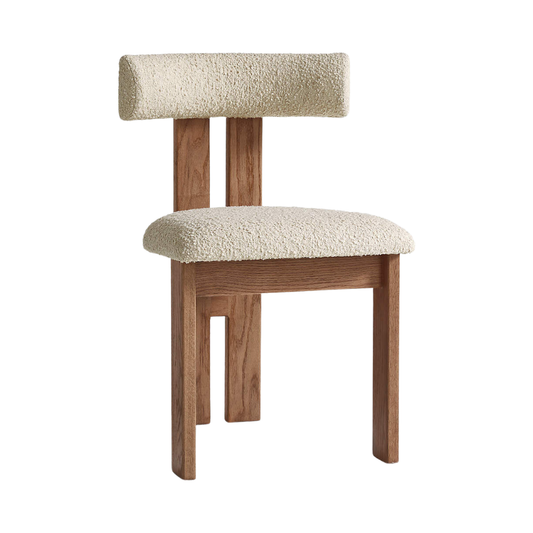
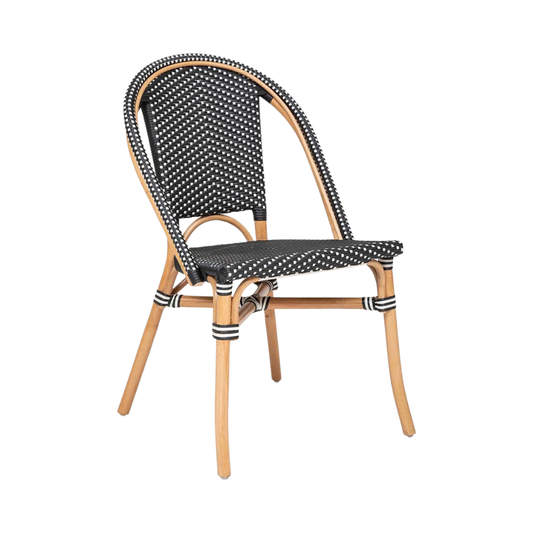


Wooden Chairs: Elegance, Authenticity and Timeless Charm
Wooden chairs remain one of the most searched-for pieces of furniture for dining rooms, kitchens, living rooms, and hospitality projects — and for good reason. Natural, durable, and endlessly versatile, a well-made wood chair never really goes out of style, as long as you pick the right wood species, silhouette, and finish for the job. This guide answers the questions people ask most often about wooden chairs: which wood holds up best, how to tell solid wood from molded plywood, what to budget, and which mid-century and Scandinavian designs have become genuine classics.
Browse our full range in the wooden chairs collection, which includes every model featured below.
Why choose a wooden chair?
Unlike synthetic materials, solid wood and molded (bent) plywood offer a rare combination: decades-long durability, immediate visual and tactile warmth, and the flexibility to work with almost any interior style, from classic to contemporary.
The main benefits of a wooden chair:
- Sturdiness: a solid wood frame (oak, beech, walnut) stands up to daily, heavy-duty use — including in restaurants and meeting rooms.
- Timelessness: a well-designed wooden chair doesn't date; several 1950s silhouettes sell just as well today as when they launched.
- Versatility: wood chairs pair effortlessly with solid wood tables, metal-framed tables, or glass tabletops.
- Repairability: unlike plastic, wood can be sanded, re-stained, and repaired, which extends its lifespan well beyond a single household.
- Budget flexibility: from affordable wood dining chairs (starting around $150-200) to designer pieces in premium hardwood, there's a model for every budget.
Which wood is best for a chair?
This is one of the most common questions before buying. Here are the most widely used wood species and where each one shines:
| Wood | Characteristics | Best for |
|---|---|---|
| Oak | Dense, strong visible grain, excellent longevity | Dining rooms, heavy daily use, rustic or contemporary interiors |
| Beech | Light-colored, uniform grain, easy to steam-bend into slim legs | Scandinavian and minimalist chairs |
| Walnut | Rich brown tone, fine grain, warm and upscale look | Iconic design chairs, cozy interiors |
| Ash | Lightweight, flexible, good shock resistance | Stackable or folding chairs |
| Molded plywood | Thin layers of wood glued and bent under pressure | Iconic shell-back chairs (single-piece seat shell) |
Worth knowing: a "wooden chair" isn't always 100% solid wood. Many iconic designs pair a molded plywood shell (for a light, curved seat) with a solid wood base (for strength). That's the case with the Chesnut wooden dining chair, whose molded plywood shell sits on a solid walnut base — a construction method rooted in the bent-wood techniques popularized in the 1950s.
Solid wood vs. molded plywood: what's the difference?
A solid wood chair is carved or joined directly from raw timber: it tends to be heavier, extremely durable, and develops a natural patina over time. A molded plywood chair (thin wood veneers glued and pressed into a mold) allows for curved shapes that solid wood simply can't achieve, while staying lightweight and structurally sound thanks to its cross-grain layers. The two techniques are often combined on the same chair, as mentioned above, to get a light seat shell paired with a sturdy base.
Iconic wooden chair styles: a comparison
Mid-century design gave us several wooden chair silhouettes that have become absolute references — still copied and reissued today. Here's a comparison of the most searched-for styles:
| Style | Origin / inspiration | Distinctive feature | Example |
|---|---|---|---|
| Molded shell chair (Cherner-style) | 1950s American design | Single-piece molded plywood shell, "wasp-waist" silhouette | Chesnut wooden dining chair |
| Wishbone / Y-Chair | Scandinavian design, Hans Wegner | Y-shaped back, woven paper cord seat | Dizo Wishbone wooden chair |
| Shell Chair (CH07) | Danish design, Hans Wegner | Enveloping, shell-shaped backrest, very pared-back | Shell Chair |
| Jeanneret-style low chair | Inspired by Pierre Jeanneret (Chandigarh) | Wood and woven rattan, low seat, ethnic-chic feel | Easy Jeanneret low chair in wood and rattan |
| PP503 chair | Scandinavian design, Hans Wegner-inspired | Clean solid wood frame, timeless, understated silhouette | The Wooden Chair |
These five models capture just how varied wooden chairs can be: from a woven rattan piece perfect for a sunroom or living room, to a solid wood wishbone chair built for a Scandinavian dining table, to a molded plywood shell with mid-century roots. Two of them, the Shell Chair and the PP503, both draw directly on the legacy of Danish designer Hans Wegner — yet with very different silhouettes: an enveloping shell back on one, a clean and understated frame on the other.
Folding, stackable, with or without armrests: choosing by use case
- Stackable wooden chairs: ideal for saving storage space, widely used in restaurants and smaller apartments.
- Folding wooden chairs: great for occasional dining or tight spaces that need to double up on function.
- Chairs with armrests: add extra comfort, often chosen for the head of the table or as an accent chair.
- Chairs without armrests: more compact, letting you seat guests closer together around the table.
Wooden chairs for home or commercial and hospitality use
Beyond the living room and dining room, wooden chairs are a classic choice for restaurants, bars, hotels, and meeting rooms, thanks to their resistance to heavy daily use. Interior architects and hospitality professionals often favor models like the Chesnut chair or the Shell Chair for their balance of durability, aesthetics, and easy maintenance. For home use, a wood-and-rattan chair (like the Jeanneret-style low chair) or a Wishbone chair brings a warmer, more relaxed feel.
How to care for a wooden chair
- Dust regularly with a dry or slightly damp cloth.
- Avoid prolonged direct sunlight, which can fade or discolor certain finishes.
- For raw or oiled wood, a dedicated maintenance oil applied every 6-12 months keeps the finish looking fresh.
- For rattan or woven cord seats, dust with a soft brush and avoid standing moisture.
- If a stain occurs, act quickly with a slightly damp cloth rather than a harsh cleaner.
Wooden chairs: frequently asked questions
What's the average price of a good-quality wooden chair?
Expect to pay between $150 and $250 for a well-made design wooden chair (molded shell plus solid base), and more for solid hardwood pieces or editions from recognized designers.
Which wooden chair is best for a dining room?
Look for an ergonomic seat and a solid wood base (oak, beech, or walnut) for everyday use. Molded shell chairs like the Chesnut or Wishbone-style chairs both work particularly well around a dining table.
Are wooden chairs suitable for outdoor use?
Treated solid wood (teak especially) holds up well outdoors, but most design wooden chairs, including the models featured here, are built for indoor use; for outdoor spaces, it's best to choose a range specifically designed and treated for exterior conditions.
What's the difference between a Scandinavian chair and a vintage wooden chair?
Scandinavian chairs favor clean lines, light wood (beech, ash), and minimalist functionality. Vintage wooden chairs lean into more dated cues — pronounced curves, darker tones like walnut — evoking the 1950s-1970s.
Can you mix different wooden chair styles around the same table?
Yes, and it's actually a current interior design trend: pairing, say, a Wishbone chair with a molded shell chair around the same table creates an intentional mismatched look, as long as the wood tones stay consistent.
In summary
Choosing a wooden chair comes down to how you'll use it (dining room, kitchen, living room, or commercial space), which wood you're after (oak, beech, walnut, molded plywood), and which style fits your space (Scandinavian, vintage, contemporary). Explore our full range of wooden chairs, along with our other design chair collections, in the wooden chairs collection.

- Choosing a selection results in a full page refresh.